Arts amplify sustainability communication by evoking emotion, bridging data to human stories, and sparking action.
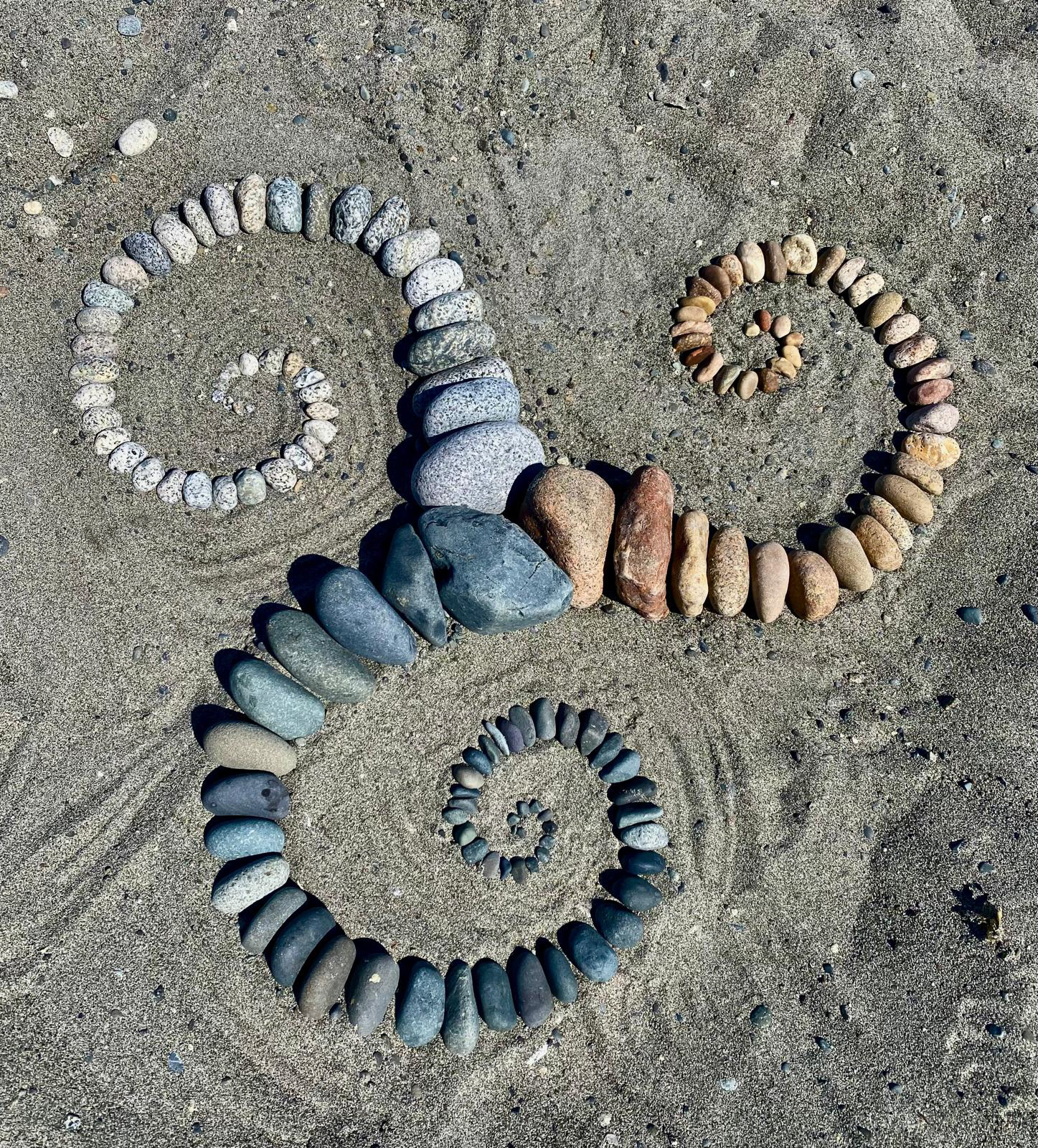
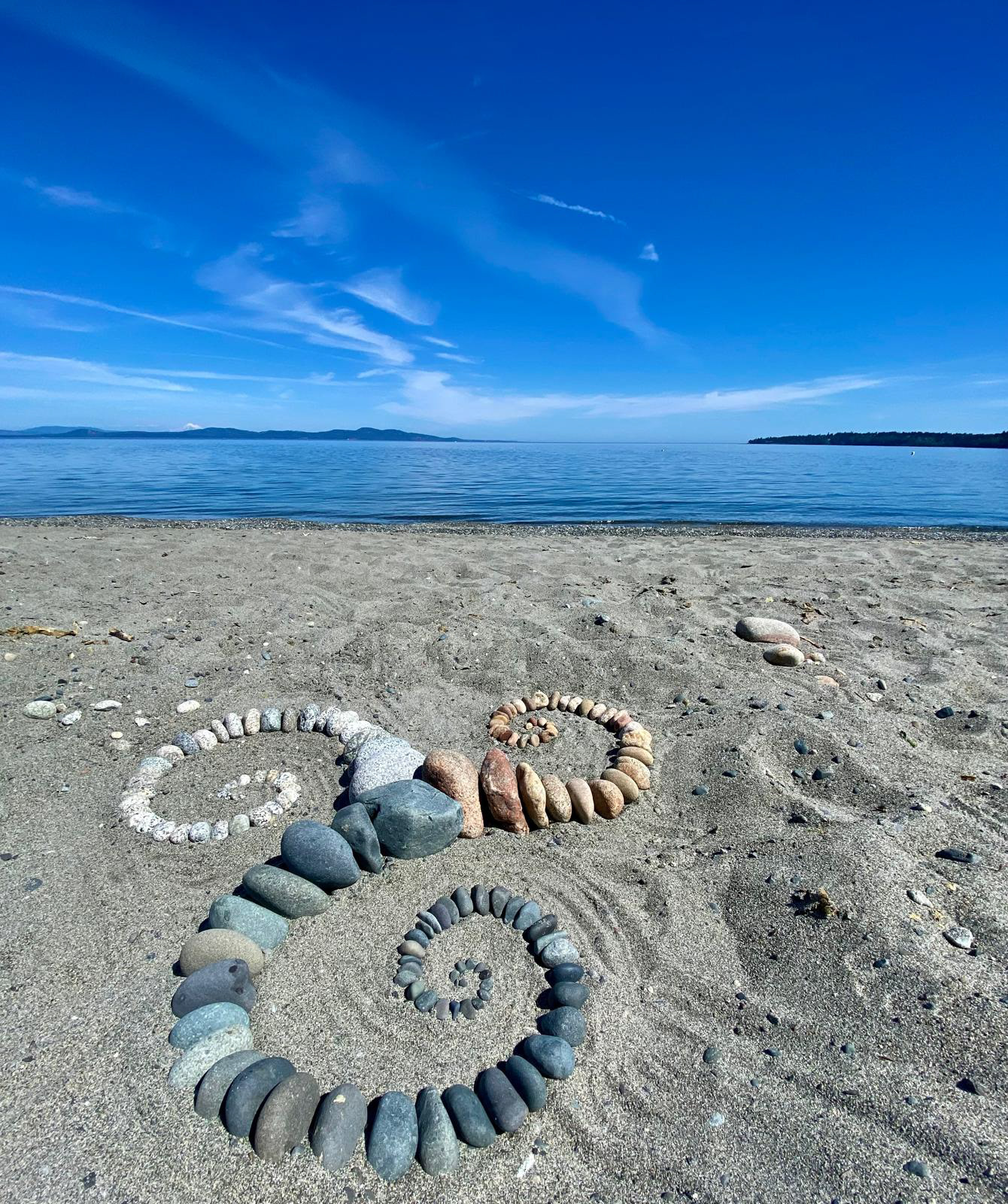
Living shorelines (also known as natural or soft shorelines) are key to trapping sediment, improving water quality, absorbing wave impact, protecting against raising sea levels, and promoting biodiversity (NOAA, 2019). The “Pacific Salmon Foundation (PSF) found that decades of coastal development have altered approximately 35 per cent of nearshore habitats critical for juvenile salmon and other coastal wildlife on a large portion of the east coast of Vancouver Island” (Beardmore-Gray, 2026). Agate Beach in Victoria is considered a natural shoreline, and houses are built at least 15 meters from the shore, which is key to responsible coastal infrastructure (SCBC, 2022). I chose to go to Agate Beach to create a land-based art piece and bask in the beauty of the natural shoreline. Land-based art is a temporary art installation embedded into a natural landscape, made from the natural materials found around it. A large part of creating land-based art is taking the physical space of the art into account; I did this by incorporating a natural shoreline directly into my art, working with only the materials that it provided.